
Ragi Dosa for Weight Loss | High-Fiber Fat Burning Breakfast
Introduction
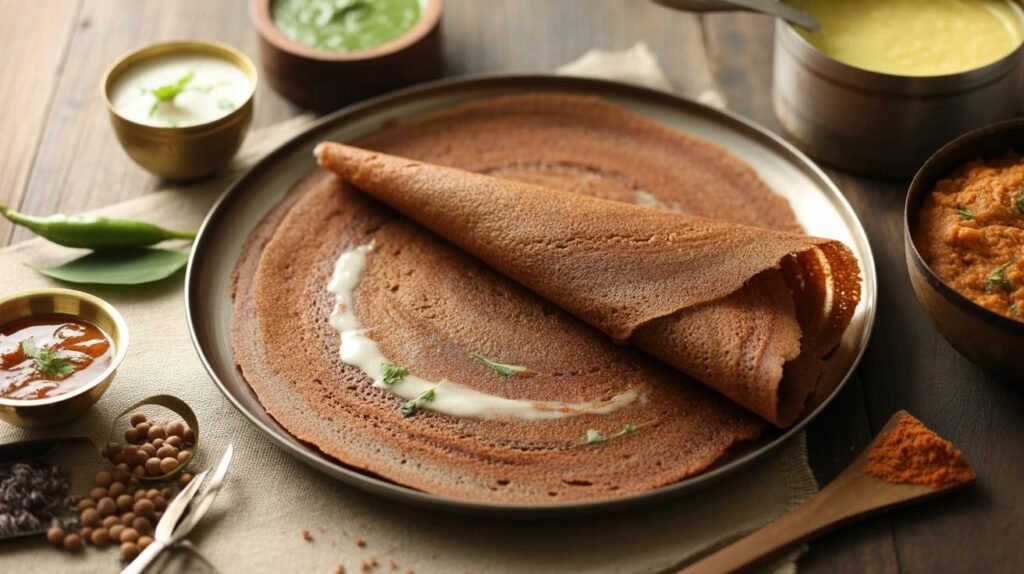
Enjoy a healthy start with Ragi Dosa for Weight Loss | High-Fiber Fat Burning Breakfast, a nutritious and filling meal perfect for your diet routine. Made with fiber-rich ragi (finger millet), this dosa helps improve digestion, boost metabolism, and keep you full for longer, reducing unnecessary cravings. It’s a low-calorie, gluten-free option that supports healthy weight loss while providing essential nutrients and sustained energy throughout the day.
In recent years, there has been a growing shift toward rediscovering traditional grains that offer superior nutritional benefits compared to refined foods. Among these, ragi—also known as finger millet—has gained significant attention for its role in promoting overall health and supporting weight loss. Once a staple in many Indian households, ragi is now being appreciated again for its high fiber content, essential minerals, and ability to provide long-lasting energy.
For individuals trying to lose weight, choosing the right kind of carbohydrates is essential. Refined grains can lead to quick spikes in blood sugar levels, followed by sudden drops that trigger hunger and cravings. In contrast, whole grains like ragi release energy slowly, helping maintain stable energy levels and reducing the urge to snack frequently. This makes ragi an excellent addition to a balanced diet.
Ragi dosa is a healthy variation of the classic dosa, offering the same familiar taste and texture with added nutritional benefits. It is light yet filling, easy to prepare, and versatile enough to be included in different meals. Whether you are looking for a wholesome breakfast or a light dinner, ragi dosa can be a satisfying option that aligns with your weight loss goals.
Ingredients
To prepare ragi dosa, you will need the following ingredients:
- 1 cup ragi flour
- 1/2 cup rice flour
- Salt to taste
- Water as needed
- A few drops of oil for cooking
These simple ingredients come together to create a nutritious and delicious dish. You can also enhance the recipe by adding finely chopped onions, green chilies, or curry leaves for extra flavor, though these are optional.
Step-by-Step Preparation
Step 1: Preparing the Batter
Begin by taking a mixing bowl and adding the ragi flour along with the rice flour. The rice flour helps improve the texture and crispness of the dosa, balancing the dense nature of ragi.
Add salt according to your taste and mix the dry ingredients well. Gradually pour in water while stirring continuously to form a smooth batter. It is important to add water slowly to avoid lumps. The batter should have a thin, pourable consistency, similar to that of traditional dosa batter.
A well-prepared batter ensures that the dosa spreads easily on the pan and cooks evenly.
Step 2: Resting the Batter
Once the batter is ready, allow it to rest for about 15 to 20 minutes. This resting period helps the flours absorb water properly and improves the overall texture of the dosa.
Although ragi dosa does not require fermentation like traditional dosa, resting the batter enhances its consistency and makes it easier to work with.
Step 3: Heating the Pan
Place a non-stick or well-seasoned pan on medium heat. Once the pan is hot, lightly grease it with a few drops of oil. Using minimal oil is important when preparing this dish for weight loss.
To check if the pan is ready, you can sprinkle a few drops of water. If they sizzle and evaporate quickly, the pan is at the right temperature.
Step 4: Spreading the Batter
Take a ladleful of batter and pour it onto the center of the pan. Using the back of the ladle, spread the batter in a circular motion to form a thin dosa.
Since ragi batter is slightly different from regular dosa batter, spreading it evenly may take a little practice. Keeping the batter thin helps achieve a crisp texture.
Step 5: Cooking Until Crisp
Allow the dosa to cook on medium flame. After a few minutes, you will notice the edges starting to lift and the base turning crisp. You can drizzle a few drops of oil around the edges if needed.
Once the bottom side is cooked, you can flip the dosa and cook the other side briefly. Some people prefer cooking it on one side only for a crispier texture.
Remove the dosa from the pan once it is golden and crisp. Repeat the process with the remaining batter.
How to Serve
Ragi dosa is best enjoyed hot and fresh. It can be served in several healthy ways:
- With coconut chutney or mint chutney for a refreshing taste
- Paired with sambar for a more filling and balanced meal
- Alongside a bowl of curd for added protein and probiotics
- Avoid pairing it with high-calorie accompaniments to maintain its health benefits.
Health Benefits
High in Fiber
Ragi is an excellent source of dietary fiber, which plays a crucial role in weight management. Fiber slows down digestion, helping you feel full for longer periods. This reduces hunger and prevents unnecessary snacking, making it easier to control calorie intake.
Low Glycemic Index
Foods with a low glycemic index release glucose slowly into the bloodstream. Ragi falls into this category, helping maintain stable blood sugar levels. This prevents sudden energy crashes and reduces cravings, which are common challenges during weight loss.
Rich in Calcium
Ragi is one of the best plant-based sources of calcium. While calcium is often associated with bone health, it also plays a role in overall metabolic function. Including calcium-rich foods in your diet supports both weight management and long-term health.
Provides Sustained Energy
Unlike refined grains that provide quick bursts of energy, ragi offers steady and sustained energy. This helps you stay active and productive throughout the day without experiencing fatigue or sudden hunger.
Naturally Gluten-Free
Ragi is naturally gluten-free, making it suitable for individuals with gluten sensitivity or those looking to diversify their diet. It is gentle on the digestive system and can be easily incorporated into various meals.
Tips for Best Results
To make your ragi dosa more effective for weight loss, keep the following tips in mind:
- Use minimal oil while cooking to reduce calorie content
- Keep the batter thin for a crisp and light texture
- Avoid overeating, even though the dosa is healthy
- Pair it with low-calorie sides like chutney instead of heavy accompaniments
- Include vegetables in the batter for added nutrition and fiber
You can also experiment with spices such as cumin or black pepper to enhance flavor without increasing calories.
Conclusion
Ragi dosa is a perfect example of how traditional foods can be adapted to meet modern health needs. It combines the goodness of whole grains with the comfort of a familiar dish, making it easier to stick to a healthy diet. Unlike restrictive eating patterns, this approach allows you to enjoy your meals while still working toward your weight loss goals.
By including ragi dosa in your regular meal plan, you can benefit from its high fiber content, sustained energy release, and overall nutritional value. It is a simple yet effective way to make your diet more balanced and satisfying.
Ultimately, weight loss is not about eliminating foods but about making smarter choices. Ragi dosa offers a delicious and nutritious alternative that supports long-term health and well-being. With consistency and mindful eating, incorporating such meals into your routine can help you achieve sustainable results while enjoying the process.
This content is for informational purposes only. Results may vary—consult a professional if needed.
Quick Smoothie Bowl with Granola & Fruits – Creamy, Crunchy & Nutritious!

Apple Cinnamon Fat-Burning Drink: Lose Belly Fat Naturally at Home
Dhaba Style Achari Paneer – Bold, Spicy & Full of Flavor!
About The Author

Srividyaaskitchen101
Hi, I’m Srividyaa, the heart and hands behind Srividyaas’ Kitchen 101. I share delicious vegetarian recipes, traditional favorites, festive specials, and celebrity-inspired dishes straight from my home to yours.