
Diabetes-Friendly Ragi Idli – Soft, Healthy & Easy Recipe!
Introduction
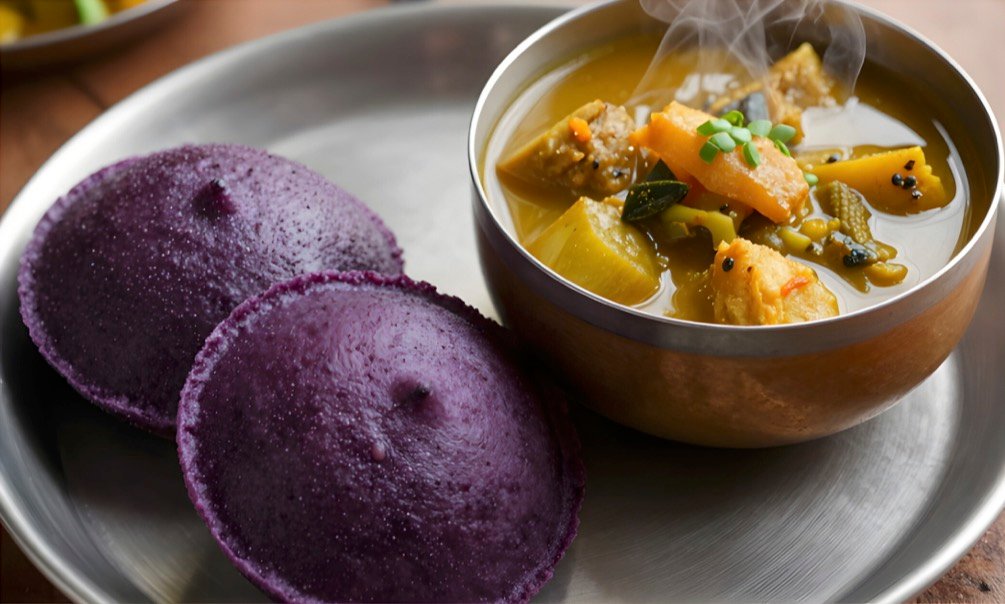
Looking for a healthy and diabetes-friendly breakfast? These soft Ragi Idlis are packed with fiber, low on the glycemic index, and perfect for keeping blood sugar levels stable. Paired with flavorful vegetable sambar, this easy recipe is light, nutritious, and ideal for a wholesome start to your day.
Ragi Idli with Vegetable Sambar is a nourishing and diabetes-friendly South Indian meal that combines the goodness of finger millet with the comfort of soft idlis and a hearty lentil-based sambar. This dish is especially beneficial for those managing blood sugar levels, as it uses ragi, a grain known for its low glycemic index. Unlike refined grains, ragi digests slowly, helping prevent sudden spikes in blood sugar and keeping you full for longer.
Ragi is naturally rich in dietary fiber, calcium, and iron, making it a powerful ingredient for overall health. The fermentation process further enhances its nutritional value by improving digestibility and supporting gut health. When paired with vegetable sambar made from lentils and fiber-rich vegetables, this meal becomes a complete, balanced option that provides sustained energy without overloading the body with simple carbohydrates.
This recipe is ideal for breakfast, lunch, or dinner and fits perfectly into a diabetes-friendly diet plan. It is light on the stomach, easy to prepare, and packed with nutrients, making it suitable for all age groups.
Preparation Time: 20 minutes (plus fermentation time)
Cooking Time: 30 minutes
Total Time: 50 minutes + fermentation
Servings: 4
Ingredients
For Ragi Idli Batter:
1 cup ragi flour
1 cup idli rice
½ cup urad dal (split black gram)
1 tsp fenugreek seeds
Salt to taste
Water as needed
For Vegetable Sambar:
¾ cup toor dal (split pigeon peas)
2½ cups water
1 cup mixed vegetables (carrot, beans, drumstick, pumpkin, etc.)
1 small onion, chopped
1 tomato, chopped
1 tbsp tamarind pulp
2 tsp sambar powder
½ tsp turmeric powder
Salt to taste
For Tempering (Sambar):
2 tbsp oil
1 tsp mustard seeds
1 tsp cumin seeds
2 dried red chilies
A pinch of asafoetida (hing)
8–10 curry leaves
Step-by-Step Instructions
Step 1: Soak the Ingredients
Wash the idli rice and urad dal thoroughly and soak them separately for 5–6 hours. Add fenugreek seeds to the urad dal while soaking to enhance fermentation and digestion.
Step 2: Grind the Batter
Grind the soaked urad dal into a smooth and fluffy batter using minimal water. Grind the rice to a slightly coarse texture. Combine both batters with ragi flour in a large bowl and mix until smooth. This combination helps maintain softness while keeping the glycemic load balanced.
Step 3: Ferment the Batter
Add salt and mix gently. Cover and allow the batter to ferment overnight in a warm place. Fermentation improves nutrient absorption and supports gut health, which is beneficial for metabolic balance.
Step 4: Steam the Idlis
Grease idli molds lightly and pour the fermented batter into them. Steam for 10–12 minutes until soft and cooked. Proper steaming ensures light and fluffy idlis that are easy to digest.
Step 5: Cook the Dal
Rinse the toor dal and cook it with water and turmeric until soft and mushy. Mash it well to create a smooth base for the sambar.
Step 6: Cook the Vegetables
In a pot, cook the chopped vegetables, onion, and tomato with a little water until tender. Using a variety of vegetables increases fiber content and helps slow down glucose absorption.
Step 7: Prepare the Sambar
Add the cooked dal to the vegetables and mix well. Stir in tamarind pulp, sambar powder, and salt. Let it simmer for 8–10 minutes so the flavors blend together.
Step 8: Add Tempering
Heat oil in a small pan and add mustard seeds. Once they splutter, add cumin seeds, dried red chilies, hing, and curry leaves. Pour this tempering over the sambar and mix well.
Step 9: Serve Hot
Serve soft ragi idlis with warm vegetable sambar. This combination provides a balanced meal with protein, fiber, and complex carbohydrates.
Tips for Perfect Diabetes-Friendly Ragi Idli
Using more ragi and slightly reducing rice can further lower the glycemic impact. Ensure proper fermentation, as it enhances nutrient absorption and supports better digestion. Avoid adding excessive oil or high-fat accompaniments to keep the meal light and healthy.
Variations and Customizations
You can add grated vegetables like carrot or spinach to the idli batter for extra fiber and nutrients. Using mixed lentils in sambar can increase protein content. For a quicker version, you can prepare instant ragi idli using ragi flour, semolina, and yogurt, though fermented batter offers better health benefits.
Nutritional Benefits (Diabetes-Friendly Focus)
Ragi is a low glycemic grain that helps regulate blood sugar levels and provides sustained energy. Its high fiber content aids digestion and promotes satiety, reducing unnecessary snacking. The protein from urad dal and toor dal supports muscle health and helps balance blood sugar. Vegetables add essential vitamins, minerals, and antioxidants, making this meal highly nutritious and suitable for regular consumption.
Serving Suggestions
Serve ragi idli with vegetable sambar and a side of coconut chutney in moderation. For a healthier option, you can pair it with mint chutney or a low-fat yogurt dip. This meal works well for breakfast or as a light dinner.
Storage and Reheating
Store leftover idlis in the refrigerator for up to 2 days. Reheat by steaming or sprinkling water and microwaving to retain softness. Sambar can be stored for 2–3 days and reheated on the stovetop with a little water.
Conclusion
Ragi Idli with Vegetable Sambar is a wholesome, diabetes-friendly meal that combines traditional flavors with modern nutritional needs. Its low glycemic index, high fiber content, and balanced nutrients make it an excellent choice for maintaining steady energy levels and supporting overall health. Easy to prepare and deeply satisfying, this dish is perfect for anyone looking to enjoy healthy eating without compromising on taste.
This content is for informational purposes only. Results may vary—consult a professional if needed.

Flaxseed Gel for Curly Hair – Define Curls & Boost Growth Naturally!

Hibiscus Hair Growth Mask – Grow Long, Thick Hair Naturally

Fluffy Japanese Soufflé Pancakes – Cloud-Like & Jiggly Perfection!
About The Author

Srividyaaskitchen101
Hi, I’m Srividyaa, the heart and hands behind Srividyaas’ Kitchen 101. I share delicious vegetarian recipes, traditional favorites, festive specials, and celebrity-inspired dishes straight from my home to yours.